

Why Parking Lot Cleanliness Matters in 2026
Table of Contents
- Why Parking Lot Cleanliness Matters More Than Ever in 2026
- The Real-World Benefits of a Clean Parking Area
- Your Parking Lot Cleaning Frequency Guide
- The Parking Lot Cleaning Checklist Every Property Manager Needs
- Parking Lot Maintenance Best Practices for High-Traffic Properties
- What Commercial Parking Lot Cleaning Actually Costs
- Conclusion: Protecting Your Investment Starts With a Clean Lot
- Frequently Asked Questions
Last Updated: October 14, 2026
Why Parking Lot Cleanliness Matters More Than Ever in 2026
A clean parking lot is the first thing customers see and the last thing they remember. At Tomicic's Pressure Washing & Sweeping, we've watched property managers learn this lesson the hard way: a single stained stall or overflowing trash bin can undo years of good tenant relations.
Here's the reality most owners miss. Your lot is a public space, a retail environment, and a liability zone rolled into one. It takes traffic from delivery trucks, shopping carts, and thousands of footsteps every week.
That's why a parking lot is never "done." It needs a plan.
Below, we break down what a clean lot actually does for you, how often to clean it, and what it costs. The good news: a simple routine beats an expensive scramble every time.
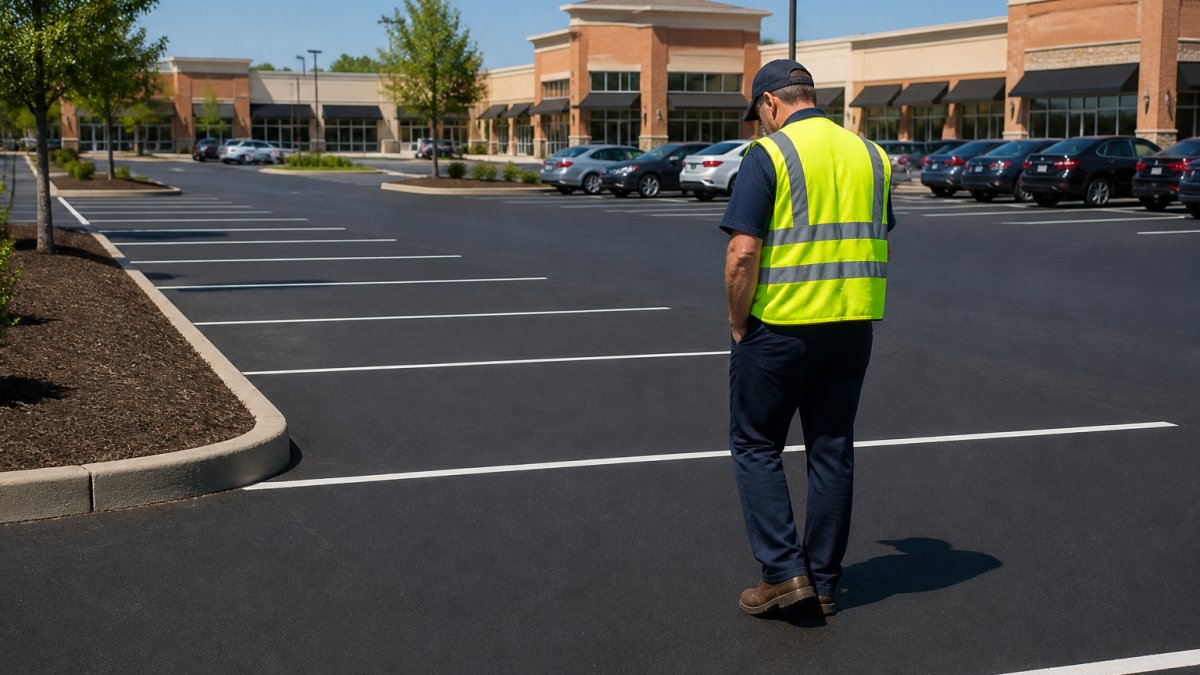
The Real-World Benefits of a Clean Parking Area
The payoff from a clean parking area goes well beyond looks. A well-kept lot lowers your risk, lifts customer perception, and protects the value of the whole property. Think of cleaning as maintenance, not cosmetics.
Safety, Liability, and Slip-and-Fall Prevention
Wet floors, oil slicks, and loose debris cause falls. Those falls become claims, and claims become insurance headaches. Regular cleaning removes the hazards before someone trips on them.
The Occupational Safety and Health Administration guidance on walking-working surfaces treats slips, trips, and falls as a leading cause of workplace injury. Your lot is part of that picture.
A few habits cut risk fast:
- Sweep high-traffic lanes and entrances often
- Clean up spills the same day they happen
- Keep drains clear so water doesn't pool
- Mark and fix cracked or uneven surfaces
Customer Perception and Property Value
Shoppers judge a store before they walk in. A clean lot signals that the business inside is run well too. A dirty one sends the opposite message, and tenants notice.
Cleanliness also protects your pavement. Oil, grime, and standing water break down asphalt over time. Left alone, that means repaving sooner than you planned.
Your Parking Lot Cleaning Frequency Guide
Parking lot cleaning frequency depends on traffic, weather, and what your lot is used for. A busy retail center needs far more attention than a quiet office lot.
Most property managers find that a tiered schedule works best: a daily walk-through, a weekly sweep, a monthly deep clean, and a seasonal reset. The table below is a starting point, not a contract.
| Lot Type | Daily | Weekly | Monthly | Seasonal |
|---|---|---|---|---|
| High-traffic retail | Litter pick, bin check, spill response | Sweep lanes and stalls, clear drains | Pressure wash high-wear zones, inspect lines | Full sweep-and-wash reset, restripe review |
| Office building | Litter pick at entrances | Sweep drives and stalls | Spot-clean oil and gum | Pressure wash, drain flush, sign check |
| Industrial site | Spill response, debris check | Sweep loading zones | Degrease equipment areas | Deep wash, drain inspection, crack review |
| Low-traffic lot | Visual check | Litter pick | Sweep | Twice-yearly wash, full inspection |
| Residential or mixed-use | Litter pick at entries | Sweep walkways | Bin wash, spot clean | Pressure wash, leaf and salt removal |
A few things push you toward more frequent cleaning. Rain washes debris into drains. Snow coverage hides litter until it melts. And any lot near food service or heavy foot traffic needs extra attention.
Watch the seasons too. Winter salt and sand need clearing before they grind into the surface. Summer heat bakes oil stains deeper into asphalt.
How to Set Triggers Instead of Guessing
A calendar alone will not keep a lot clean. Pair it with simple triggers that tell you when to act early:
- More than a handful of visible oil spots in a lane means it is time to spot-clean, not wait for the monthly wash.
- Trash bins at more than three-quarters full at midday mean you need a second pickup or a larger bin.
- Standing water that lingers more than a day after rain means a drain is blocked.
- New graffiti should be removed within 48 hours to discourage repeat tagging.
- Faded parking lines or missing signage should be logged for restriping before they become a liability note.
A Simple Inspection Score You Can Track
You do not need a consultant to measure cleanliness. Walk the lot once a week and score five zones on a 1-to-5 scale: entrances, driving lanes, parking stalls, trash and drain areas, and perimeter walls. Add the scores for a total out of 25. Anything below 20 means the schedule needs tightening. Keep the scores in a log so you can show tenants, owners, or insurers that you are managing the asset, not just reacting to complaints.
The goal is not a perfect lot every day. It is a lot that never drifts far enough to become a problem. A written schedule with triggers and a simple score turns cleaning from a chore into a managed process.
The Parking Lot Cleaning Checklist Every Property Manager Needs
A parking lot cleaning checklist turns a vague task into a repeatable routine. It keeps your team consistent and makes problems easy to spot early. Print it, assign it, and check it off.
- Sweep all driving lanes and parking spaces
- Clear trash, cups, and debris from stalls and curbs
- Empty and wipe down trash bins
- Remove leaves and dirt from drains and grates
- Pressure wash oil and grease stains
- Clean entrance walkways and crosswalks
- Check parking lines and signage for fading
- Inspect for cracks, potholes, and trip hazards
- Remove graffiti from walls and posts
- Log any damage for repair
The Environmental Protection Agency resources on stormwater and runoff note that debris and chemicals left on paved surfaces can wash into storm drains. Sweeping and responsible disposal keep that waste out of local waterways.
That's the environmental case for routine cleaning. It's not just about curb appeal.
Parking Lot Maintenance Best Practices for High-Traffic Properties
High-traffic environments follow different rules. More cars mean more oil, more litter, and faster wear. These lots need a tighter routine and the right equipment.
A common mistake is treating a busy lot like a quiet one. It won't hold up. Instead, focus on prevention and speed.
Best practices that work:
- Sweep before peak hours so the lot looks sharp when it matters
- Pressure wash oil spots before they set into the surface
- Keep day porter coverage for litter and spills during open hours
- Schedule deep cleaning during slow periods to avoid disruption
- Track problem zones and give them extra attention
Consistency is the whole game. One missed week shows up fast in a busy lot. That's why we build custom schedules for each site, because no two lots carry the same traffic or layout.
What Commercial Parking Lot Cleaning Actually Costs
Commercial parking lot cleaning costs vary by size, traffic, and how often you need service. Most providers price by the visit, the square footage, or a monthly package. The cheapest bid is rarely the best value.
For residential driveways and garages, our driveway cleaning service starts at $200. That covers pre-soaking, surface cleaning, and pressure washing to lift oil, dirt, grime, and grease.

For commercial lots, pricing depends on the plan you need. A tailored package usually beats paying per emergency. It spreads cost across the year and keeps the lot on a schedule instead of a scramble.
What Drives the Price
- Lot size and number of stalls
- Traffic volume and how often you clean
- Amount of oil, graffiti, or debris
- Whether you need day porter or emergency service
- Access, drainage, and how much equipment the site requires
How to Build a Maintenance Budget
A practical way to plan is to separate the work into three buckets:
- Routine service, sweeping, litter pickup, and bin care on a set schedule. This is your predictable monthly line item.
- Periodic deep cleaning, pressure washing, drain flushing, and stain removal. Budget these quarterly or twice a year.
- Reactive work, spill response, graffiti removal, and emergency call-outs. Keep a small reserve for these so a single incident does not blow the budget.
Most property managers find that shifting money from reactive work into routine service lowers the total spend over a year, because small problems get handled before they become expensive ones.
The Return on a Clean Lot
A clean lot protects your pavement, your tenants, and your reputation. That is cheaper than a lawsuit or a repaving bill.
The math is straightforward. Oil and grime break down asphalt sealant, and once water gets into cracks, freeze-thaw cycles widen them.
There is also the liability side. Slip, trip, and fall claims carry direct costs and can raise insurance premiums. Documented cleaning and inspection records show that you are managing the property, which matters if a claim is ever filed.
Finally, there is tenant and customer value. A well-kept lot supports higher occupancy and fewer complaints, and it signals that the property is professionally managed.
Ask any provider to break a quote into routine, periodic, and reactive categories. That structure makes it easy to compare bids on equal terms and to see where a low number is hiding skipped work.
Conclusion: Protecting Your Investment Starts With a Clean Lot
A dirty parking lot costs more than it looks. It invites injury claims, drives customers away, and wears down the surface you paid to build. A clean one protects all three.
Tomicic's Pressure Washing & Sweeping has served commercial and industrial properties since 2006. We offer same-day service for construction and emergency sweeping, 24/7 emergency call outs, and tailored packages for nearly any budget. From pressure washing to day porter work and graffiti removal, we keep your site inspection-ready.
Request a free estimate from Tomicic's Pressure Washing & Sweeping and get a lot that works as hard as you do.
Frequently Asked Questions
Why is it important to keep parking lots clean?
Clean parking lots protect people and property. Debris and oil stains create slip-and-fall hazards that can lead to liability claims. Regular cleaning also extends pavement life by removing grit that wears down asphalt, keeps stormwater systems clear, and signals to customers that a business is well managed. For commercial properties, parking lot cleanliness directly affects tenant satisfaction and lease renewals.
How often should a commercial parking lot be cleaned?
High-traffic retail lots usually need sweeping two to three times per week, with pressure washing for stains monthly or quarterly. Office buildings with lighter traffic can often get by with weekly sweeping. Industrial sites handling oil, chemicals, or heavy debris may need daily attention. The right parking lot cleaning frequency depends on traffic volume, weather, and whether your lot handles food waste, construction debris, or vehicle fluids.
What should a parking lot cleaning checklist include?
A solid parking lot cleaning checklist covers sweeping all drive lanes and parking spaces, removing litter and illegal dumping, pressure washing oil and grease stains, clearing storm drains, checking for graffiti, inspecting parking lines and signage, and documenting the condition of surfaces. Add seasonal items like snow coverage response and salt removal. Reviewing the checklist after every service keeps your parking lot maintenance consistent across multiple properties.
How does parking lot cleanliness affect safety?
Loose gravel, wet leaves, spilled oil, and trash all raise the risk of slips and falls. Well-maintained parking lines and clear signage reduce vehicle movement collisions. Removing debris from drains prevents flooding that can hide potholes and damage surfaces. Documented cleaning schedules also give property managers a defensible record if a liability claim arises, showing that reasonable care was taken to keep the parking area safe.